
Society and Trend Research: A Five-Country Source Map
Cultural commentary is scattered across languages and platforms. A useful interview or archive page may answer one question while leaving it unclear who covers another era or category—and which limit must remain attached to the interpretation.
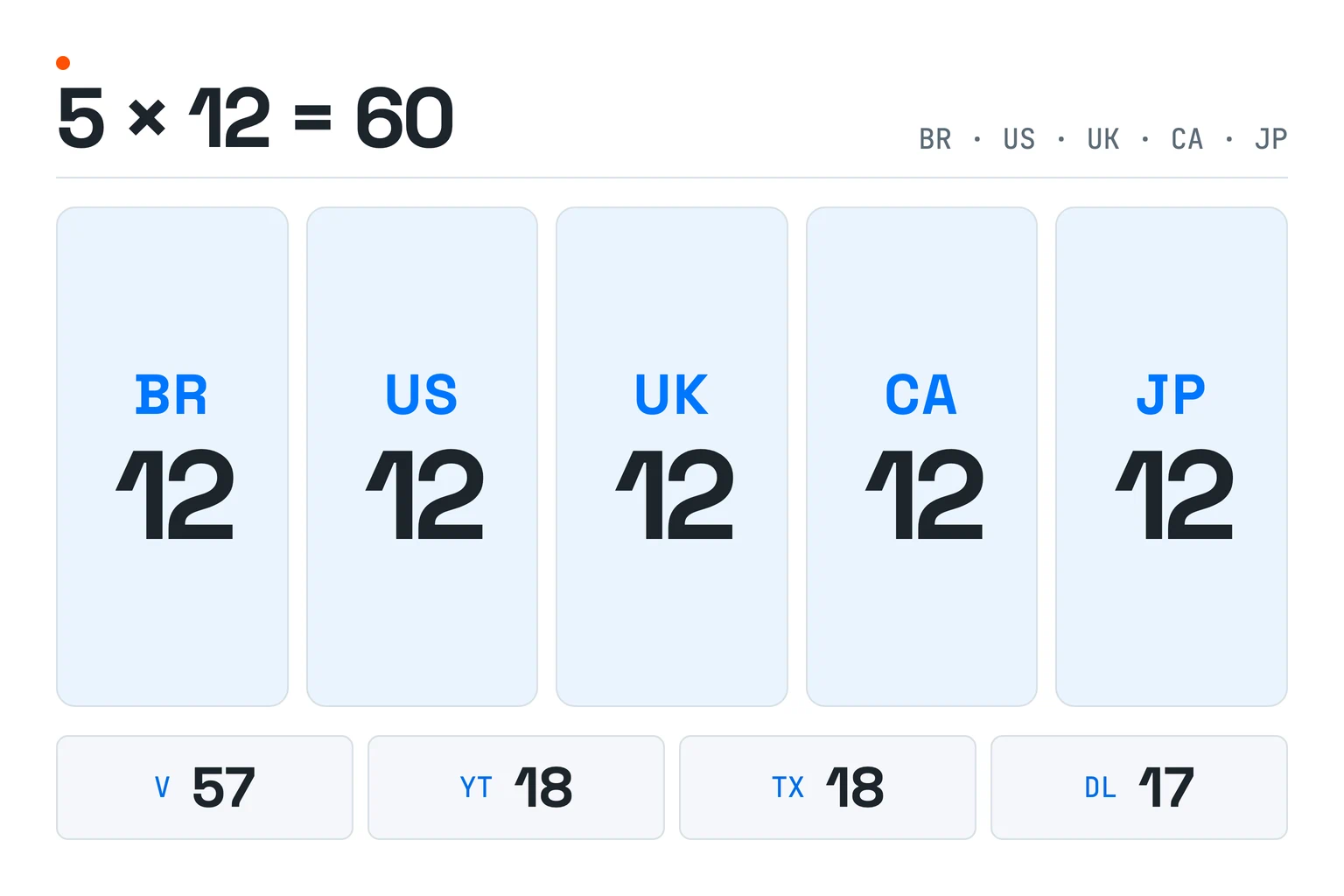
This bounded index brings together 60 directly inspected, source-linked records from Brazil, the United States, the United Kingdom, Canada, and Japan. It compares the coverage of this collection, never the cultures or populations of those countries.
How to read each row
Each row keeps one direct source link, attributed voice or author, publisher, standardized era/category labels, a concise supported topic, an evidence classification, and one source-specific limit. A link is not an endorsement.
A record entered the map only when the original source was directly inspected, its creator and publisher were identified, an exact text or timestamp locator was retained, and country, era, and category were coded; each country contributes 12 records.
- Evidence classification:
supportsdirectly backs the statement;qualifiesadds a correction or limit;contextsupplies orientation without becoming a standalone conclusion. - Collection totals: 57 voices met the inclusion criteria across 60 unique URLs. Eighteen rows are YouTube sources; all 18 have timestamped transcripts, and 17 media downloads succeeded for analysis.
- Transcription and translation: creator captions, platform captions, and automatic speech recognition (ASR) can contain errors; researcher translations retain uncertainty.
- Date and quotation limits: some publishers provide only month or year precision; short quotations do not reproduce full works or transcripts.
- Comparison limit: one source can carry several era or category labels, so counts overlap. They do not measure population prevalence, country rank, group consensus, or cross-national causality.
Brazil: 12 sources
Brazil contributes 12 records and seven qualified voices across cultural institutions, interviews, commentary, and public data.
| Source | Voice / publisher | Era / category | Topic / source limit |
|---|---|---|---|
| Lilia Schwarcz (Masp) \ Diálogos Itaú Cultural | Voice/author: Lilia Moritz Schwarcz Publisher: Itaú Cultural | Era: 2020s, cross-eraCategory: art-design, culture-identity, politics-economy | Topic: Schwarcz interprets art as an active producer of historical moments, not merely a passive reflection of them. Limit: supports — Schwarcz’s historical and curatorial interpretation, with examples centered on Brazil and its cultural institutions. |
| Lilia Schwarcz | #Provoca | Voice/author: Lilia Moritz Schwarcz Publisher: TV Cultura / Fundação Padre Anchieta | Era: 2020s, cross-eraCategory: culture-identity, politics-economy, literature-magazines | Topic: Schwarcz frames Brazilian history through persistent inequality and relates Barreto’s asylum observation to her own prison visits. Limit: supports — Schwarcz’s interview interpretation; examples include Lima Barreto and her own prison visits and are not a representative population study. |
| Evolução da internet: entrevista de Silvio Meira por Cláudio Lins de Vasconcelos | Voice/author: Silvio Romero de Lemos Meira Publisher: Itaú Cultural / Revista Observatório Itaú Cultural | Era: 2020s, cross-eraCategory: technology-internet, art-design, politics-economy | Topic: Meira describes his view of internet regulation as changing when recommendation algorithms became powerful behavioral mediators. Limit: supports — Meira’s technology-policy and innovation analysis, with Brazil discussed as a strategic case rather than a sampled population. |
| História em evolução da Internet - Silvio Meira - Entrevista - Canal Futura | Voice/author: Silvio Romero de Lemos Meira Publisher: Canal Futura | Era: 1990s, 2010s, cross-eraCategory: technology-internet, politics-economy | Topic: Meira distinguishes the internet’s network protocols from the World Wide Web before tracing their social and infrastructural evolution. Limit: supports — Expert explanatory interview about global internet history with several Brazil-specific infrastructure and usage examples. |
| Os algoritmos e as mídias sociais sob o viés das relações raciais | Entrevista com Tarcízio Silva | Voice/author: Tarcízio Silva Publisher: Itaú Cultural | Era: 1980s, 1990s, 2000s, 2010s, cross-eraCategory: technology-internet, culture-identity, politics-economy | Topic: Silva interprets web history as a shift from horizontal reappropriation toward concentrated platform power. Limit: supports — Silva’s analysis spans Brazilian and international platform systems; only explicitly bounded claims may be used for Brazil. |
| Anos de chumbo | Voice/author: Heloisa Buarque de Hollanda Publisher: Ocupação Itaú Cultural | Era: pre-1980Category: art-design, movements-subcultures, culture-identity, literature-magazines, politics-economy | Topic: Hollanda interprets 1960s Brazilian culture through the tension between internationalizing experimentation and nationally engaged, pedagogical art. Limit: supports — Focuses mainly on Brazilian cultural and political production of the 1960s, especially theater, literature, cinema, youth, and dictatorship-era resistance. |
| Entrevista com Heloisa Buarque de Hollanda | Voice/author: Heloisa Buarque de Hollanda Publisher: Plano Estadual de Cultura do Rio de Janeiro | Era: 2010sCategory: culture-identity, movements-subcultures, politics-economy | Topic: Hollanda evaluates center-periphery cultural circulation as a central movement in Rio de Janeiro’s contemporary cultural life. Limit: supports — Cultural-policy observations about Rio de Janeiro city and state, not a national sample. |
| A música paralela | Voice/author: Hermano Vianna Publisher: Folha de S.Paulo — Mais! | Era: 1980s, 2000s, cross-eraCategory: music, movements-subcultures, technology-internet, habits-everyday-life, politics-economy | Topic: Vianna reports that early-2000s tecnobrega circulation depended more on MP3, radio, sound-system parties, and informal CD production than on official discs. Limit: supports — Specific to funk carioca comparisons and tecnobrega/aparelhagem circuits observed in Belém and Pará around 2002–2003. |
| Periferias - Hermano Vianna - Entrevista - Canal Futura | Voice/author: Hermano Vianna Publisher: Canal Futura / Entrevista | Era: 2010s, cross-eraCategory: music, movements-subcultures, culture-identity, technology-internet | Topic: Vianna recalls investigating how popular peripheral music circulated outside radio and television even before the internet. Limit: supports — Vianna’s selected Brazilian fieldwork and media-production experiences, not all peripheral communities. |
| “Deserto Particular”: o brasileiro mais lindo do Oscar | Voice/author: Isabela Boscov Publisher: Isabela Boscov | Era: 2020sCategory: television-film, art-design, culture-identity | Topic: Boscov reads Deserto Particular as an exploration of self-enforced cultural roles and the beliefs required to sustain them. Limit: supports — One critic’s interpretation of one Brazilian feature film and its characters. |
| Acesso à Internet e à televisão e posse de telefone móvel celular para uso pessoal 2023 | Voice/author: IBGE, Diretoria de Pesquisas, Coordenação de Pesquisas por Amostra de Domicílios Publisher: Instituto Brasileiro de Geografia e Estatística (IBGE) | Era: 2020sCategory: technology-internet, television-film, habits-everyday-life, politics-economy | Topic: IBGE measured that 31.1 million television households had paid video streaming in 2023 while the share declined from 43.4% to 42.1%. Limit: supports — Permanent private households and people aged 10 or over in Brazil in PNAD Contínua 2023; streaming indicators use household-specific denominators and stated conventions. |
| Entrevista: políticas culturais e as tecnologias de informação e comunicação | Voice/author: Marco Antônio de Almeida Publisher: Itaú Cultural / Observatório Itaú Cultural | Era: 2000s, 2010s, cross-eraCategory: technology-internet, culture-identity, art-design, games, music, politics-economy | Topic: Almeida situates networked digital tools within a longer history of knowledge technologies that reconfigure memory and cultural mediation. Limit: supports — Brazilian cultural-policy institutions and practices, with selected comparisons to Medellín and Madrid and discussion of globally distributed media fandoms. |
United States: 12 sources
The United States contributes 12 records and 11 qualified voices. No admitted row carries the anime-animation, games, or fashion tag; that is a collection gap, not an absence claim about the country.
| Source | Voice / publisher | Era / category | Topic / source limit |
|---|---|---|---|
| Henry Jenkins on Participatory Culture: Big Thinkers | Voice/author: Henry Jenkins Publisher: Edutopia | Era: 2010s, cross-eraCategory: technology-internet, movements-subcultures, culture-identity | Topic: Jenkins defines participatory culture as ordinary participants taking media production and sharing into their own hands. Limit: context — Interpretive account of participatory media history, with examples centered largely in the United States. |
| HTNM Lecture — Safiya Umoja Noble’s “Algorithms of Oppression: How Search Engines Reinforce Racism” | Voice/author: Safiya Umoja Noble Publisher: Berkeley Center for New Media, University of California, Berkeley | Era: 2010sCategory: technology-internet, culture-identity, politics-economy | Topic: Noble asks what is at stake when people rely on a commercial advertising engine for social sense-making. Limit: supports — Claims concern U.S.-based commercial search systems and racialized representation; they do not measure all U.S. users or every search query. |
| Hank Green Unpacks YouTube’s Biggest Problems | Voice/author: Hank Green Publisher: Colin and Samir | Era: 2020s, cross-eraCategory: technology-internet, movements-subcultures, politics-economy | Topic: Green separates a platform’s durable institutional power from the intentions of any current executive. Limit: context — Experience reflects specific creator businesses and platforms, not all U.S. creators or platform users. |
| Main Report: Introduction | Voice/author: Amanda Lenhart Publisher: Pew Research Center | Era: 2000sCategory: technology-internet, habits-everyday-life, culture-identity | Topic: At the start of the 2000s, the report characterized instant messaging as embedded in online teens’ ordinary and emotionally important conversations. Limit: context — U.S. online youth ages 12–17 in late 2000, plus their parents; findings do not describe offline youth or all children under 18 equally. |
| Teens, Social Media and Technology 2023 | Voice/author: Monica Anderson Publisher: Pew Research Center | Era: 2020sCategory: technology-internet, habits-everyday-life | Topic: In the 2023 probability-based survey, roughly nine in ten U.S. teens ages 13–17 reported using YouTube. Limit: supports — 1,453 U.S. teens ages 13–17 living with parents, surveyed September 26–October 23, 2023. |
| Woodstock 1969 | Voice/author: National Archives Museum Publisher: National Archives and Records Administration | Era: pre-1980Category: music, movements-subcultures, culture-identity | Topic: The National Archives exhibit records an estimated audience of 400,000 at the 1969 Woodstock Music & Art Fair. Limit: context — One U.S. festival, its archival record, and its subsequent symbolic framing; not a survey of 1960s Americans. |
| Arts Participation in 2022: A Technical Summary Report | Voice/author: National Endowment for the Arts and 2M Research Publisher: National Endowment for the Arts | Era: 1980s, 1990s, 2000s, 2010s, 2020s, cross-eraCategory: art-design, habits-everyday-life, literature-magazines, music | Topic: The 2022 SPPA measured media consumption as the most common mode of arts participation among U.S. adults, while reading and personal creation each involved more than half. Limit: supports — U.S. civilian adults age 18 and older represented by the 2022 SPPA/CPS supplement; subgroup and geography claims require their stated denominators. |
| Fandom went mainstream in the 2010s — for better and worse | Voice/author: Aja Romano Publisher: Vox | Era: 2010sCategory: movements-subcultures, television-film, technology-internet, culture-identity | Topic: Romano interprets platform migration from LiveJournal to Tumblr as a driver of fandom’s increased visibility and creator access in the 2010s. Limit: supports — U.S. mainstream popular-media discussion with transnational examples; it cannot stand for every fandom or for other countries. |
| Is Hollywood exploiting the push to diversify criticism for marketing wins? | Voice/author: Wesley Morris Publisher: NOW Magazine | Era: 2010sCategory: television-film, culture-identity | Topic: Morris interprets a major change in U.S. cultural criticism as the centering of identity in how films and representation are evaluated. Limit: context — Morris comments on American criticism, Hollywood film, and U.S. identity discourse; the source does not measure national opinion and is not a proxy for Canada. |
| Forty Years After Woodstock, A Gentler Generation Gap | Voice/author: Paul Taylor Publisher: Pew Research Center | Era: pre-1980, 2000s, cross-eraCategory: music, culture-identity, habits-everyday-life | Topic: In Pew’s 2009 survey, 65% of respondents ages 16 and older reported listening to rock often or sometimes, more than the six other genres tested. Limit: supports — 1,815 people ages 16 and older in the continental United States interviewed July 20–August 2, 2009; ±2.7 percentage points overall at 95% confidence. |
| U.S. has changed in key ways in the past decade, from tech use to demographics | Voice/author: Katherine Schaeffer Publisher: Pew Research Center | Era: 2010sCategory: technology-internet, habits-everyday-life, politics-economy, culture-identity | Topic: Pew’s 2019 synthesis reports high U.S. adult internet, smartphone, and social-media adoption by the close of the 2010s. Limit: supports — U.S. adults and other explicitly named U.S. populations during the 2010s; no single sample underlies the entire article. |
| Networked privacy: How teenagers negotiate context in social media | Voice/author: Alice E. Marwick, danah boyd Publisher: SAGE Publications / New Media & Society | Era: 2000s, 2010s, cross-eraCategory: technology-internet, habits-everyday-life, culture-identity | Topic: The study’s networked-privacy model is grounded in 166 interviews and participant observation across 17 U.S. states. Limit: supports — U.S. teenagers ages 13–19 recruited across 17 states; qualitative diversity is broad but not nationally representative. |
United Kingdom: 12 sources
The United Kingdom contributes 12 records and 18 qualified voices. England has representative survey evidence, while Wales, Scotland, and Northern Ireland do not have comparable measures, so England-only results stay bounded to England.
| Source | Voice / publisher | Era / category | Topic / source limit |
|---|---|---|---|
| Jon Savage at the British Library | Voice/author: Jon Savage, Kate Mossman Publisher: British Library | Era: pre-1980, cross-eraCategory: music, movements-subcultures, culture-identity | Topic: Savage rejects treating punk as an exclusively English possession and describes it as international. Limit: supports — Evidence is primarily London and England-focused; it must not be generalized to Scotland, Wales or Northern Ireland, and Savage explicitly challenges English ownership. |
| Musical Truth: A Musical History of Modern Black Britain | Voice/author: Jeffrey Boakye, Jenessa Williams, Jords Publisher: British Library | Era: 2000s, 2020s, cross-eraCategory: music, culture-identity, movements-subcultures | Topic: The speakers frame music as simultaneously celebratory, traumatic and resistant rather than as entertainment alone. Limit: supports — The programme is framed as modern Black Britain but examples are heavily London- and England-centred; it does not establish prevalence across every UK nation. |
| Blokes, lads and geezers: Working class masculinity on screen | BFI video essay | Voice/author: Lou Thomas, Maha Albadrawi Publisher: BFI | Era: 1980s, 2010s, cross-eraCategory: television-film, culture-identity, politics-economy | Topic: The essay links a post-war screen image of English working-class masculinity to industrial decline and disrupted inherited work identities. Limit: supports — Many examples are English, especially London and the East End; “British” claims should not be treated as equal evidence for Scotland, Wales or Northern Ireland. |
| BodyMap: shaping 1980s fashion | Voice/author: Victoria and Albert Museum Publisher: Victoria and Albert Museum | Era: 1980sCategory: fashion, art-design, movements-subcultures | Topic: The V&A identifies BodyMap as an influential British label whose distinction lay in a pioneering approach and DIY origins. Limit: supports — The label and exhibition are London/England-centred, not evidence for every UK nation. |
| On the BBC's 100th year in Wales | Voice/author: Jamie Medhurst Publisher: Museum Wales | Era: pre-1980, 1980s, cross-eraCategory: television-film, culture-identity, politics-economy | Topic: Welsh institutional pressure produced a distinct BBC Welsh Region in 1937 after Wales had been placed in a West Region. Limit: supports — Wales only; use to distinguish Welsh broadcasting from UK-wide or England-only accounts. |
| Good Vibrations For Belfast Punks 1979 | Voice/author: Terri Hooley, Greg Cowan Publisher: RTÉ Archives | Era: pre-1980Category: music, movements-subcultures, culture-identity | Topic: A contemporary patron describes the Belfast punk venue as scarce social and musical infrastructure where participants fit in. Limit: supports — Belfast and Northern Ireland only; not a uniform UK punk scene. |
| 70 years of record collecting donated to the nation | Voice/author: William Dean-Myatt Publisher: National Library of Scotland | Era: pre-1980, cross-eraCategory: music, culture-identity | Topic: The National Library of Scotland received a collection exceeding 10,000 sound recordings. Limit: supports — Scotland-focused collection; it should not be used as evidence of UK-wide listening habits or of every Scottish community. |
| Main report for the Participation Survey (April 2024 to March 2025) | Voice/author: Department for Culture, Media and Sport; Department for Science, Innovation and Technology Publisher: GOV.UK | Era: 2020sCategory: habits-everyday-life, art-design, technology-internet | Topic: The survey population is adults aged 16 and over in England, not the whole United Kingdom. Limit: supports — Adults aged 16+ in England only; excludes Scotland, Wales and Northern Ireland and must not be reported as UK-wide. |
| The Evolution of Gaming | Voice/author: Mark Cutmore Publisher: Science Museum Group | Era: pre-1980, 1980s, 1990s, 2000s, 2010s, cross-eraCategory: games, technology-internet | Topic: The Science Museum panel framed gaming history across arcades, the UK home-computing boom, VR and mobile eras. Limit: supports — Framed as UK industry history but panel and museum evidence is predominantly England-based; regional industry differences are not analysed. |
| From Shakespeare to rock music: the history of the word ‘punk’ | Voice/author: Zoë Wilcox, Andy Linehan, Stephen Cleary Publisher: British Library | Era: pre-1980, cross-eraCategory: music, movements-subcultures, literature-magazines | Topic: The British Library dates a documented popular-music use of “punk” to Dave Marsh’s 1971 retrospective label. Limit: supports — The UK music discussion centres London press and the Sex Pistols; it does not independently represent naming in Scotland, Wales or Northern Ireland. |
| ‘Does it threaten the status quo?’ Elite responses to British punk, 1976–1978 | Voice/author: John Street, Matthew Worley, David Wilkinson Publisher: Popular Music (Cambridge University Press) | Era: pre-1980Category: music, movements-subcultures, politics-economy | Topic: The authors find archival evidence of punk’s impact on media, local government and police but much less at central-government or monarchy level. Limit: supports — Study says Britain/UK but many institutional cases are English; Glasgow and Belfast appear, while Wales is minimally visible. |
| Cultures of the Internet: The Internet in Britain | Voice/author: William H. Dutton and Grant Blank Publisher: Oxford Internet Institute | Era: 2010sCategory: technology-internet, habits-everyday-life, culture-identity | Topic: The report is based on a recurring survey of Britons about internet use and everyday-life effects. Limit: supports — Publisher uses Britain/Britons; without verified Northern Ireland sampling, findings are not promoted as United Kingdom-wide. |
Canada: 12 sources
Canada contributes 12 records, 15 qualified voices, and two French-language sources. The Inuit-art and Inuit-cinema rows are settler or institutional perspectives and cannot imply Inuit consensus.
| Source | Voice / publisher | Era / category | Topic / source limit |
|---|---|---|---|
| Entrevue de 1964 sur l'art inuit avec Jacques Rousseau, ethnologue | Voice/author: Jacques Rousseau, Pierre Paquette Publisher: Radio-Canada Archives | Era: pre-1980Category: art-design, culture-identity, habits-everyday-life | Topic: Rousseau attributes substantial local change in Puvirnituq to the cooperative movement. Limit: context — Puvirnituq and the specific period discussed; not all Inuit communities, Quebec, or Canada. |
| La place des artistes noirs au Québec | Voice/author: Tanya Lapointe, Pierre Kwenders, Valérie Daure, Normand Brathwaite Publisher: Radio-Canada Archives | Era: 2010sCategory: television-film, music, culture-identity | Topic: Valérie Daure recalls racism in Saint-Jean-sur-Richelieu and the absence of Black television role models during her childhood. Limit: supports — Black artists interviewed in Quebec and Daure’s experience in Saint-Jean-sur-Richelieu; not all Black Quebecers or Canadians. |
| 1971: MARSHALL MCLUHAN on ADVERTISING | 24 Hours | Writers and Wordsmiths | BBC Archive | Voice/author: Marshall McLuhan Publisher: BBC Archive | Era: pre-1980Category: technology-internet, television-film | Topic: McLuhan interprets advertising as shaping the meaning people assign to what they already possess. Limit: context — McLuhan’s general media theory and a UK broadcast context; Canadian relevance is the intellectual voice, not a national-behaviour claim. |
| Canadian Internet Use Survey, 2022 | Voice/author: Statistics Canada Publisher: Statistics Canada | Era: 2020sCategory: technology-internet, habits-everyday-life | Topic: Internet use among Canadians aged 15+ reached 95% in 2022, while use among those 75+ rose from 62% in 2020 to 72% in 2022. Limit: supports — People aged 15+ living in Canada’s 10 provinces; excludes territories, full-time institutional residents, and units on reserves identified by geography. |
| Canadian Multiculturalism Act | Voice/author: Parliament of Canada Publisher: Justice Laws Website, Legislative Services Branch | Era: 1980sCategory: culture-identity, politics-economy | Topic: Federal law declares recognition of cultural and racial diversity and freedom to preserve, enhance, and share cultural heritage as government policy. Limit: supports — Federal policy and federal institutions; provincial implementation can differ and Indigenous rights are legally distinct. |
| Canuck Rock: A History of Canadian Popular Music | Voice/author: Carrie Schmidt Publisher: Active History | Era: cross-eraCategory: music, culture-identity | Topic: The reviewed history spans Canadian popular music from the 1950s through the early twenty-first century. Limit: context — Popular music history as selected by Edwardson and Schmidt; omitted genres limit representativeness. |
| Who Killed the History of Canadian Multiculturalism? | Voice/author: Daniel R. Meister Publisher: Active History | Era: cross-eraCategory: culture-identity, politics-economy | Topic: The concept of Canadian multiculturalism grew out of 1960s national-identity debates involving Quebec’s Quiet Revolution and the federal bilingualism-biculturalism commission. Limit: qualifies — Federal multiculturalism policy and its national debate, with explicit cautions about Indigenous peoples and changing anti-racist programming. |
| Why Is Meta Blocking All News Links? Because Bill C-18 Covers All News Outlets | Voice/author: Michael Geist Publisher: MichaelGeist.ca | Era: 2020sCategory: technology-internet, politics-economy | Topic: Geist argues that a broader statutory scope, rather than a targeted eligible-outlet rule, explains the breadth of Meta’s Canadian news-link blocking. Limit: qualifies — Bill C-18 and platform link availability in Canada during August 2023. |
| A Nation of Gamers: The History of Video Games in Canada | Voice/author: David Hussey Publisher: University of Waterloo | Era: cross-eraCategory: games, technology-internet, habits-everyday-life | Topic: The thesis scopes Canadian video-game history from the mid-1970s through the 2000s and connects media recognition with a major Ontario-Ubisoft deal. Limit: context — Canadian game history as framed by one MA thesis, including federal/provincial policy and selected industry milestones. |
| Canadian Museum of History announces major bequest of Inuit art from the late Dr. Margaret Hess | Voice/author: Mark O’Neill Publisher: Canadian Museum of History | Era: cross-eraCategory: art-design, culture-identity | Topic: The Hess bequest added more than 895 specified works and historical objects drawn from about 30 northern communities to the Museum’s holdings. Limit: supports — The Hess bequest and approximately 30 named/unnamed northern communities; not all Inuit art or Inuit Nunangat. |
| Inuit Cinema at the NFB | Curator’s Perspective | Voice/author: Marc St-Pierre Publisher: National Film Board of Canada | Era: cross-eraCategory: television-film, anime-animation, culture-identity | Topic: The NFB’s 1972 Cape Dorset workshop trained about twelve young Inuit participants in animation production. Limit: qualifies — NFB production history and specific Arctic workshops/films; not the entire history of Inuit cinema in Canada. |
| The Drake “Smoke Screen” Phenomenon: A Podcast Discussion with Dalton Higgins on Drake and Canadian Hip Hop History | Voice/author: Dalton Higgins, Francesca D’Amico Publisher: Active History | Era: 2000s, 2010sCategory: music, movements-subcultures, culture-identity | Topic: The introduction argues that Toronto’s social and cultural conditions around Drake provide a lens on Canada’s culture industry, identity, multiculturalism, and belonging. Limit: context — Drake, Toronto, and Canadian urban-music infrastructure as framed in a 2012 event; not all Canadian hip-hop scenes. |
Japan: 12 sources
Japan contributes 12 records and six qualified voices. One creator’s civil identity and formal credentials are undisclosed, so that commentary is not presented as expert or nationally representative evidence.
| Source | Voice / publisher | Era / category | Topic / source limit |
|---|---|---|---|
| 【宮台真司が日本の病を全解剖】社会学者・キャスターの安藤優子と徹底的に対話/衰退国を生きるサバイバル術/日本人に逃げ場はない/ひろゆきと宮台真司の役割分担/宗教と日本の本当の課題/マスク警察の正体とは | Voice/author: 宮台真司 Publisher: PIVOT 公式チャンネル | Era: 2020s, cross-eraCategory: culture-identity, politics-economy | Topic: Miyadai frames autonomous community life as a precondition for individual autonomy and functioning democracy. Limit: context — One expert’s interpretation in a 2022 studio conversation. |
| 宮台真司×小林武史「世界の手触りを失うな」(2) | Voice/author: 宮台真司 Publisher: エコレゾ ウェブ | Era: pre-1980, 1990s, cross-eraCategory: music, television-film, movements-subcultures, culture-identity | Topic: Miyadai interprets digital archive consumption as detaching cultural items from historical and social context. Limit: context — Miyadai’s account of postwar and 1990s Japanese media consumption. |
| 岡田斗司夫の『遺言』第三章 #10(08/02/12)ガイナックス時代 1988~89 | Voice/author: 岡田斗司夫 Publisher: otakingexach00 | Era: 1980s, cross-eraCategory: movements-subcultures, anime-animation | Topic: Okada remembers the 1989 case as producing a personally unsettling recognition within otaku identity. Limit: context — Okada’s own reaction, not the response of Japanese fandom generally. |
| 2011/05/29 #1 「原子力とオタク&メイキングレポート」 | Voice/author: 岡田斗司夫 Publisher: note(岡田 斗司夫) | Era: 1990s, 2010s, cross-eraCategory: anime-animation, technology-internet, movements-subcultures | Topic: Okada remembers Gainax as having a long period of unsettled project selection involving multiple creators. Limit: context — Gainax’s internal planning as remembered by Okada. |
| 【世界が引いた】日本の“サラリーマン”は異常だ | Voice/author: rの住人ピエロ【哲学】 Publisher: rの住人ピエロ【哲学】 | Era: 2020s, cross-eraCategory: habits-everyday-life, politics-economy, technology-internet | Topic: The speaker predicts a shift from company membership toward project-based work. Limit: context — One online commentator’s forecast, not the Japanese workforce as a population. |
| “幽霊船”としてのヤマト論!〜日本オタクの初期OS「宇宙戦艦ヤマト」が始めたもの、終わらせたもの、持って帰ってきたもの【山田玲司-331】 | Voice/author: 山田玲司 Publisher: 山田玲司のヤングサンデー | Era: pre-1980, cross-eraCategory: anime-animation, literature-magazines, television-film | Topic: Yamada identifies Yamato as the point from which anime magazines began in earnest. Limit: context — Yamada’s history of anime/otaku culture, not an institutional chronology. |
| 山田玲司 マンガ家 「『非属』という価値観」 | Voice/author: 山田玲司 Publisher: 京都大学新聞社 | Era: 2000sCategory: culture-identity, habits-everyday-life | Topic: Yamada interprets social nonconformity as a talent that is often punished by conformity pressure. Limit: context — Yamada’s view of conformity and creativity. |
| 『思想地図』東浩紀×宇野常寛トークショー | Voice/author: 東浩紀, 宇野常寛 Publisher: CINRA | Era: 1990s, 2000s, cross-eraCategory: movements-subcultures, anime-animation, literature-magazines | Topic: Azuma characterizes his own work as postmodern criticism using subculture and bishōjo games as material. Limit: context — Two critics’ account of 1990s–2000s cultural criticism. |
| 「ゼロ年代の批評」のこれから──宇野常寛さんロングインタビュー | Voice/author: 宇野常寛 Publisher: 荻上式BLOG | Era: 1990s, 2000s, cross-eraCategory: movements-subcultures, technology-internet, literature-magazines | Topic: Uno argues for cross-genre analysis of early-2000s drama, anime, fiction, and music rather than a narrow otaku canon. Limit: context — Uno’s account of the 2000s criticism field and PLANETS project. |
| 平成26年度メディア芸術デジタルアーカイブ事業 委託業務成果報告書 | Voice/author: 凸版印刷株式会社ほか(受託事業体) Publisher: 文化庁 | Era: pre-1980, 1980s, 1990s, 2000s, 2010s, cross-eraCategory: anime-animation, games, literature-magazines, art-design | Topic: The commissioned project explicitly aimed to build preservation and access infrastructure for Japanese media arts. Limit: supports — Works and metadata handled by the FY2014 Media Arts Digital Archive Project. |
| 令和6年度「青少年のインターネット利用環境実態調査」報告書 第2部 第1章第1節 | Voice/author: こども家庭庁 Publisher: こども家庭庁 | Era: 2020sCategory: technology-internet, habits-everyday-life, games | Topic: In the R06 youth survey sample (n=3,129), 98.2% reported using the internet. Limit: supports — Responding Japanese youth in the R06 survey; total n=3,129 for the cited question. |
| テレビジョン | Voice/author: 日映科学映画製作所(製作)、日本放送協会(協力) Publisher: 国立国会図書館デジタルコレクション | Era: pre-1980Category: television-film, technology-internet | Topic: The preserved 1952 film records television technology and studio conditions before the 1 February 1953 regular broadcast start. Limit: supports — One 1952 science film held by NDL, not a survey of television audiences. |
What the coverage shows—and what it does not
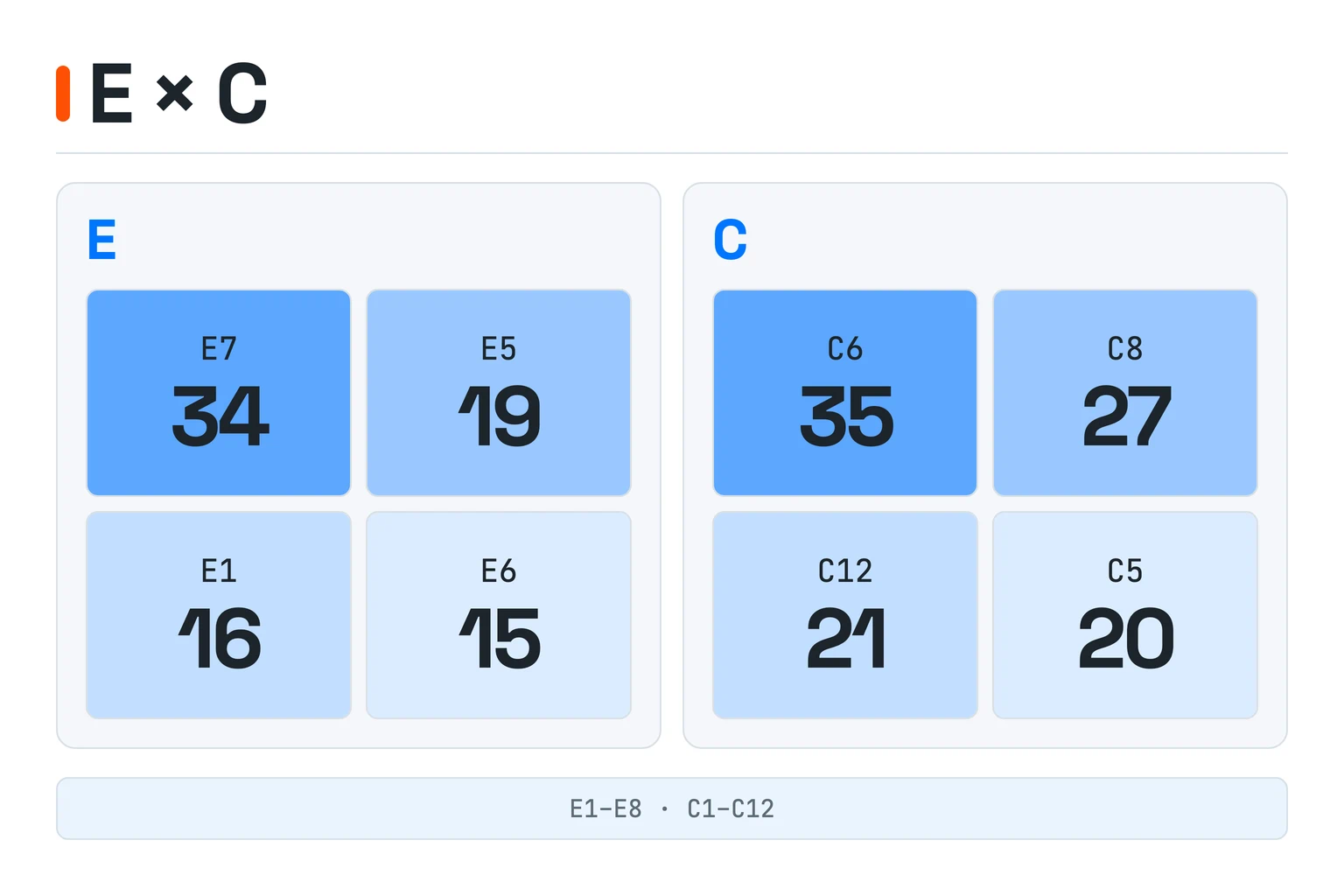
Each country contributes 12 rows, which keeps navigation balanced. Voice and tag totals differ because records may have several speakers or tags. Those differences describe the source map, not the countries.
The summary figure shows the four most frequent era and category codes. The complete evidence remains in the linked country rows: E1 = pre-1980, E5 = 2010s, E6 = 2020s, E7 = cross-era; C5 = movements-subcultures, C6 = culture-identity, C8 = technology-internet, and C12 = politics-economy.
Keep the link and limit together
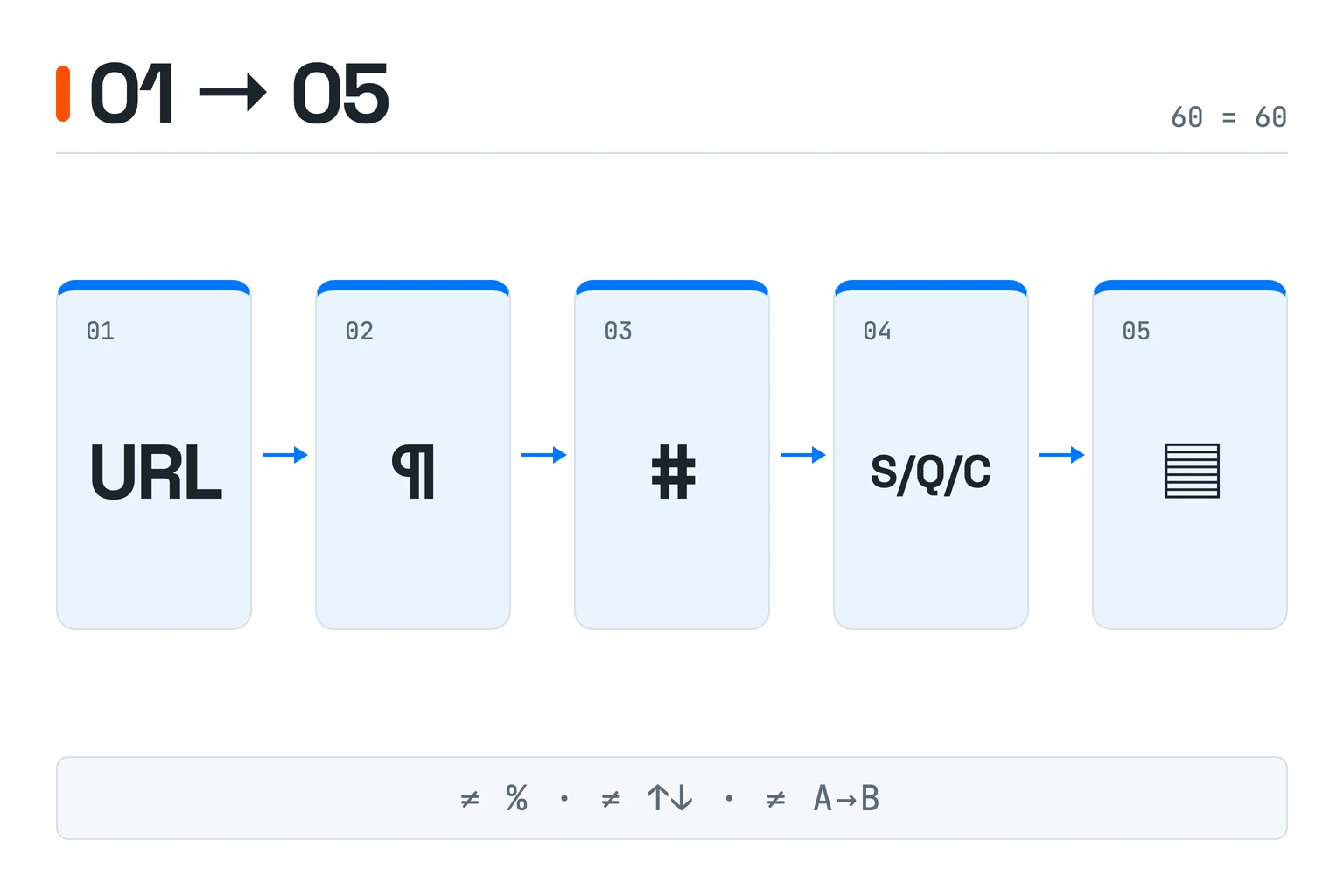
Read a row from left to right: open the direct source, identify who is speaking and publishing, check the tags, then carry the evidence status and source-specific limit with any interpretation you reuse.
The five-step figure encodes that path as 01–05. The final symbols reject three invalid moves: turning row counts into percentages, country rankings, or causal chains.
Sources
The five linked country tables above are the complete source register, and every row links to the original source. Use “How to read each row” and “Keep the link and limit together” above for the selection method and limitations.
Next step
Use the index to trace one cultural influence back to its sources.