
Culture and Identity in the 2010s: Three Source Sets
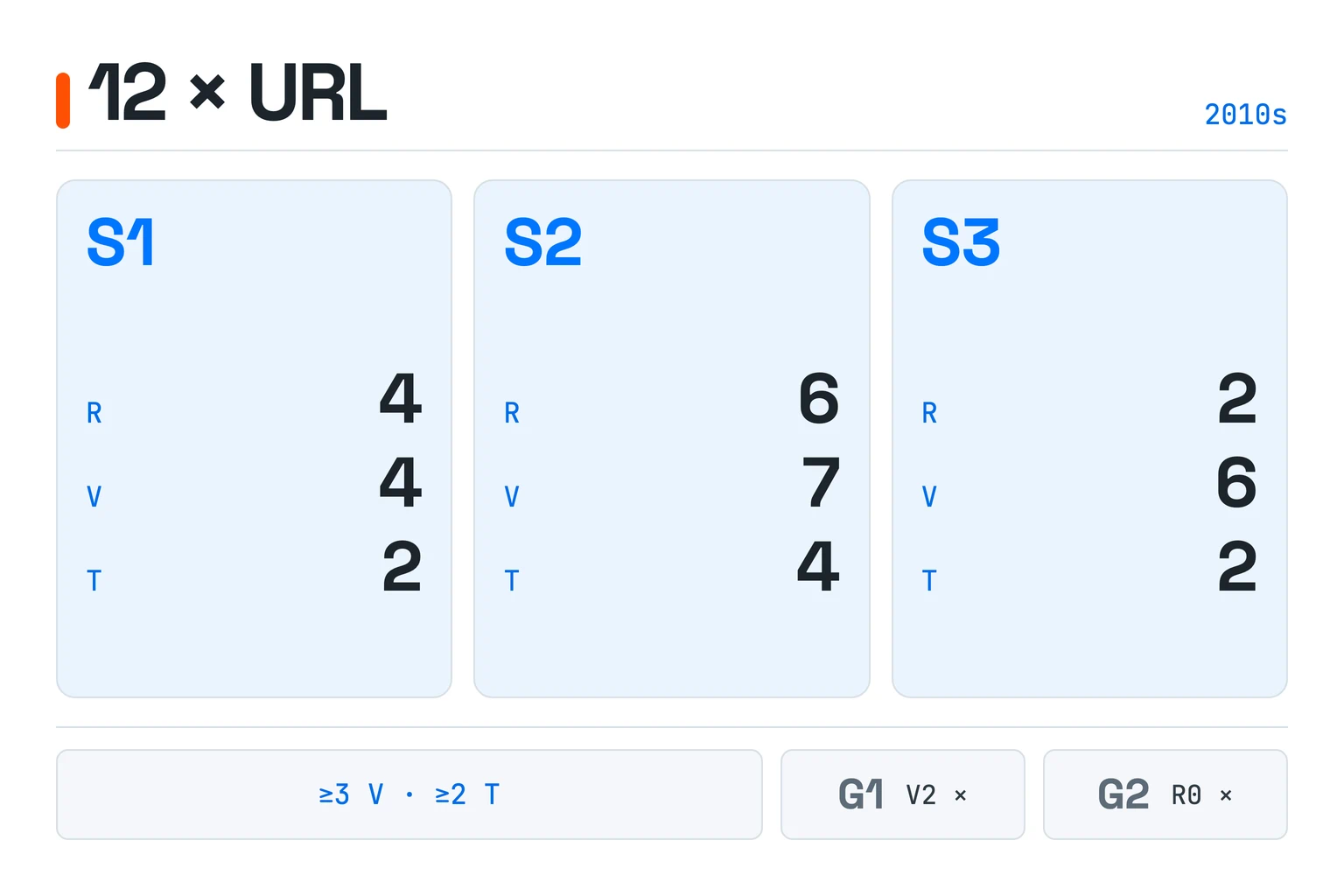
A five-country source map does not automatically produce a five-country finding. In the 2010s culture-and-identity source subset, only the Brazil, United States, and Canada source sets clear the comparison rule.
The 12 selected records do not tell one national story. They repeatedly frame culture and identity through participation, platforms, race and representation, and visibility. They also preserve disagreements about capacity, concentration, recognition, and evaluation. This is a comparison of source sets—not a measure of national experience, prevalence, consensus, or causality.
What this comparison includes
A source set qualifies only when the 2010s culture-and-identity source subset contains at least three independent qualified voices and at least two source types. Every selected record also has a direct URL, identified creator and publisher, inspected content, a bounded excerpt with an exact locator, and explicit limits.
| Source set | Selected records (S) | Independent voices (V) | Source types (T) | Included? |
|---|---|---|---|---|
| Brazil | 4 | 4 | 2 | Yes |
| United States | 6 | 7 | 4 | Yes |
| Canada | 2 | 6 | 2 | Yes |
| United Kingdom | 2 | 2 | 2 | No — below the voice threshold |
| Japan | 0 | 0 | 0 | No — no record in this subset |
Canada is the boundary that makes record and voice counts easy to confuse. Its two multi-speaker records contain six independent qualified voices; they remain two source records, not six.
Participation depends on infrastructure
The records describe participation as something people make, but never outside infrastructure. Henry Jenkins defines participatory culture through the capacity to produce and share media [5]. Hermano Vianna recalls Brazilian peripheral music circulating outside radio and television before the internet [3], while Marco Antônio de Almeida places digital tools in a longer history of technologies that reshape memory and knowledge [4].
Other records emphasize constraint. Tarcízio Silva describes the web’s movement from horizontal exchange toward concentrated platforms [1]. Safiya Umoja Noble asks what happens when an advertising engine becomes infrastructure for social sense-making [6]. Aja Romano connects fandom’s move from LiveJournal to Tumblr with greater visibility, creator access, consumer pressure, and conflict [7].
The Canada records add television and music-industry infrastructure. The Radio-Canada segment links visible Black role models to belonging in Quebec media [11]. The Active History discussion uses Drake’s Toronto trajectory to examine Canadian hip-hop infrastructure, multiculturalism, and movement between Canadian and U.S. markets [12].
Identity is negotiated through visibility
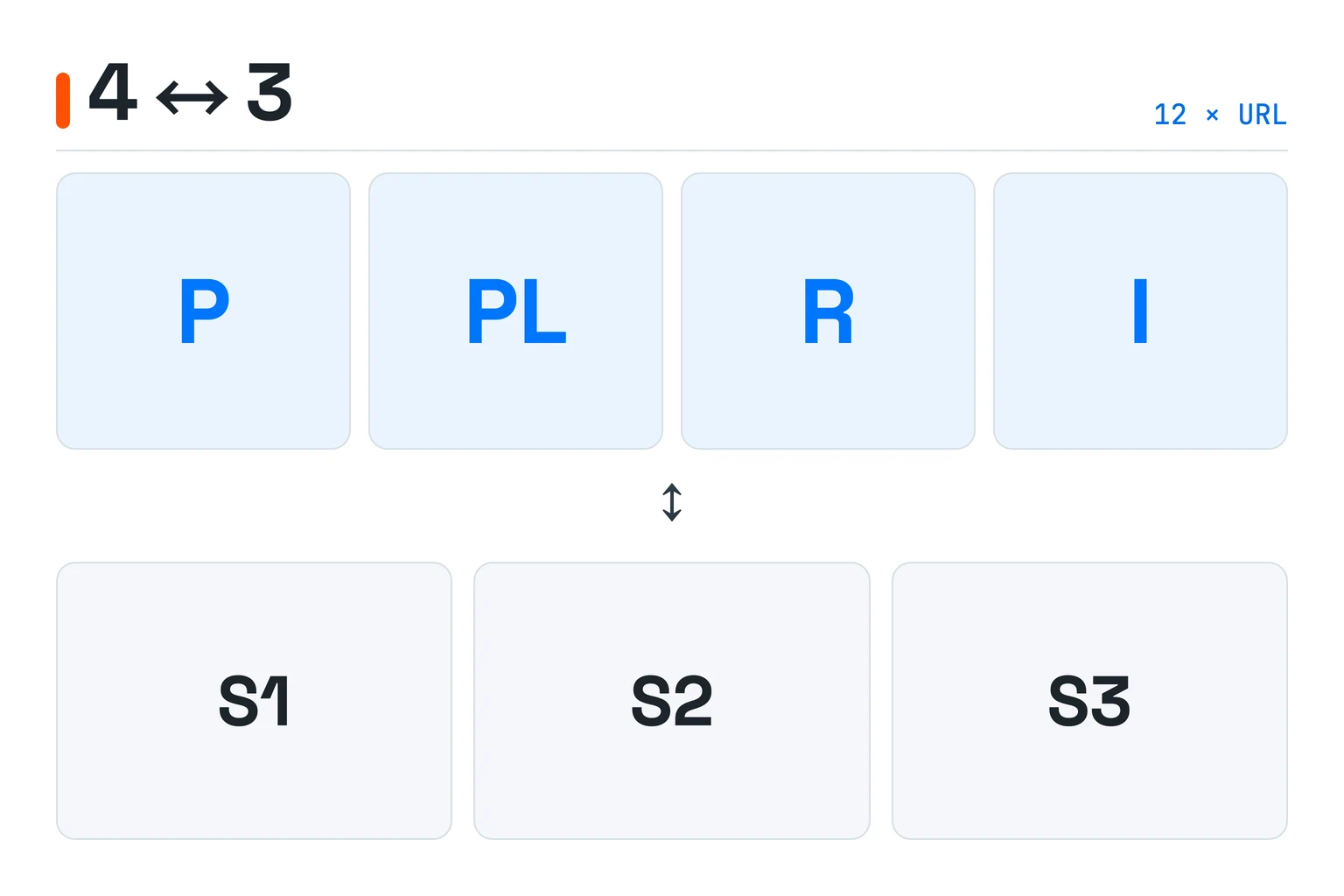
Visibility is not one outcome in these records. Heloisa Buarque de Hollanda describes a Rio de Janeiro movement that links center and periphery [2]. Wesley Morris argues that identity became more central to U.S. cultural evaluation while warning that representation’s social value can be confused with artistic quality [8]. Alice E. Marwick and danah boyd show how U.S. teenagers ages 13–19 manage identity and privacy through audience dynamics, social norms, and technical functions [10].
Only the U.S. subset adds measured national or multi-state context. Pew reports that in 2019 nine in ten U.S. adults went online, 81% owned a smartphone, and 72% used social media [9]. The networked-privacy study draws on 166 interviews across 17 states, but its qualitative design does not estimate national prevalence [10]. Those measurements cannot turn the broader three-source-set comparison into a population study.
The disagreements matter
The strongest result is not convergence. It is a set of tensions that should remain visible:
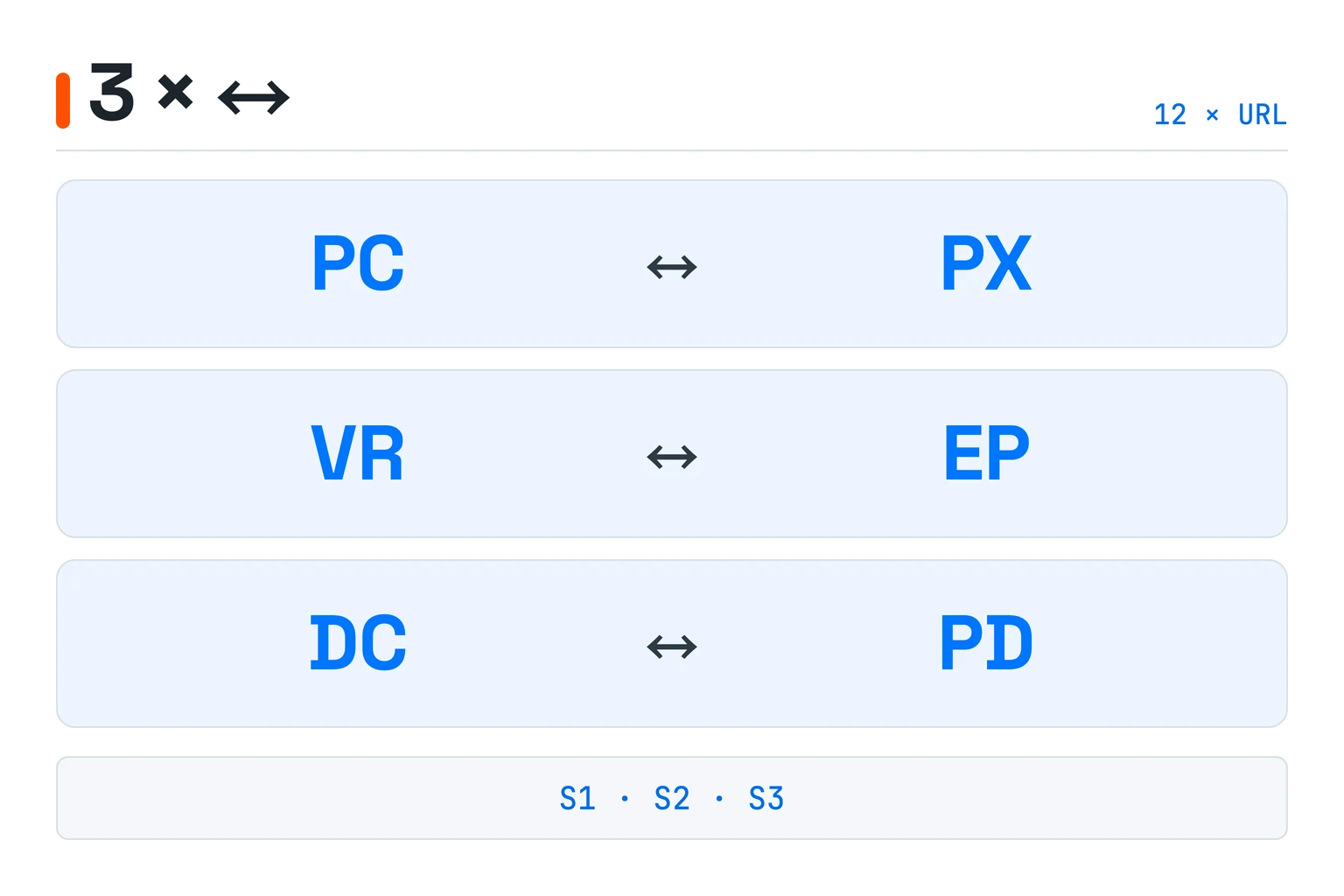
- Participatory capacity ↔ platform concentration. Jenkins emphasizes what participants can make and share; Silva and Noble emphasize how commercial systems structure that capacity.
- Visible recognition ↔ evaluation pressure. Valérie Daure’s first-person memory makes absent Black role models a cost of invisibility [11]; Morris warns against treating representation as a substitute for criticism.
- Digital change ↔ pre-digital continuity. Vianna remembers strong circulation before the internet; Almeida and the platform-focused sources describe reconfiguration rather than creation from nothing.
The United Kingdom and Japan stay outside the result
The United Kingdom has two records and two source types in this 2010s culture-and-identity source subset, but only two independent qualified voices. It misses the three-voice threshold, so its records explain an evidence gap rather than support the comparison. Japan has no admitted record in this 2010s culture-and-identity source subset. Neither country contributes an analytical finding here.
That exclusion is the point of the rule. Five-country coverage can support an index while a narrower source subset supports only a three-source-set comparison.
What this comparison cannot establish
The Brazil records are interpretive, opinion, and memory evidence with Rio- and platform-specific boundaries. The U.S. subset mixes measured context with interpretation; Pew combines different instruments, and the 166-interview study does not measure prevalence. The Canada records center Quebec and Toronto and combine first-person memory with event framing. Two multi-speaker records do not establish regional or national consensus.
Short excerpts, researcher translations, and automatic transcripts retain their source-specific uncertainty. No argument here extends beyond its cited geographic, population, methodological, transcription, or translation boundary.
Linked source register
The 12 links below are the complete register for this comparison, in the same Brazil–United States–Canada order used in the analysis.
- Os algoritmos e as mídias sociais sob o viés das relações raciais | Entrevista com Tarcízio Silva — Tarcízio Silva, interviewed by the Itaú Cultural editorial team; Itaú Cultural. Published 2019-09-25.
- Entrevista com Heloisa Buarque de Hollanda — Heloisa Buarque de Hollanda, interviewed by the Plano Estadual de Cultura team; Plano Estadual de Cultura do Rio de Janeiro. Published 2012-05-21.
- Periferias - Hermano Vianna - Entrevista - Canal Futura — Hermano Vianna, interviewed by Lilia Moritz Schwarcz; Canal Futura / Entrevista. Published 2016-04-15.
- Entrevista: políticas culturais e as tecnologias de informação e comunicação — Marco Antônio de Almeida, interviewed by Observatório Itaú Cultural; Itaú Cultural / Observatório Itaú Cultural. Published 2018-03-29.
- Henry Jenkins on Participatory Culture: Big Thinkers — Henry Jenkins; Edutopia. Published 2013-05-07.
- HTNM Lecture — Safiya Umoja Noble’s “Algorithms of Oppression: How Search Engines Reinforce Racism” — Safiya Umoja Noble; Berkeley Center for New Media, University of California, Berkeley. Published 2019-04-25.
- Fandom went mainstream in the 2010s — for better and worse — Aja Romano, with Constance Grady and Emily VanDerWerff; Vox. Published 2019-12-30.
- Is Hollywood exploiting the push to diversify criticism for marketing wins? — Radheyan Simonpillai interviewing Wesley Morris; NOW Magazine. Published 2019-05-23.
- U.S. has changed in key ways in the past decade, from tech use to demographics — Katherine Schaeffer; Pew Research Center. Published 2019-12-20.
- Networked privacy: How teenagers negotiate context in social media — Alice E. Marwick and danah boyd; SAGE Publications / New Media & Society. Published 2014-07-21.
- La place des artistes noirs au Québec — Tanya Lapointe reporting with Pierre Kwenders, Valérie Daure, and Normand Brathwaite; Radio-Canada Archives. Original broadcast 2015-02-11; YouTube upload 2025-02-01. The original broadcast date places this record in the 2010s subset.
- The Drake “Smoke Screen” Phenomenon: A Podcast Discussion with Dalton Higgins on Drake and Canadian Hip Hop History — Francesca D’Amico hosting a discussion with Dalton Higgins; Active History. Published 2013-02-08.
Sources
The linked register above is complete. “What this comparison includes” explains selection, and “What this comparison cannot establish” carries the limits that travel with every source.
Next step
Explore the five-country source map and trace one record to its original source.